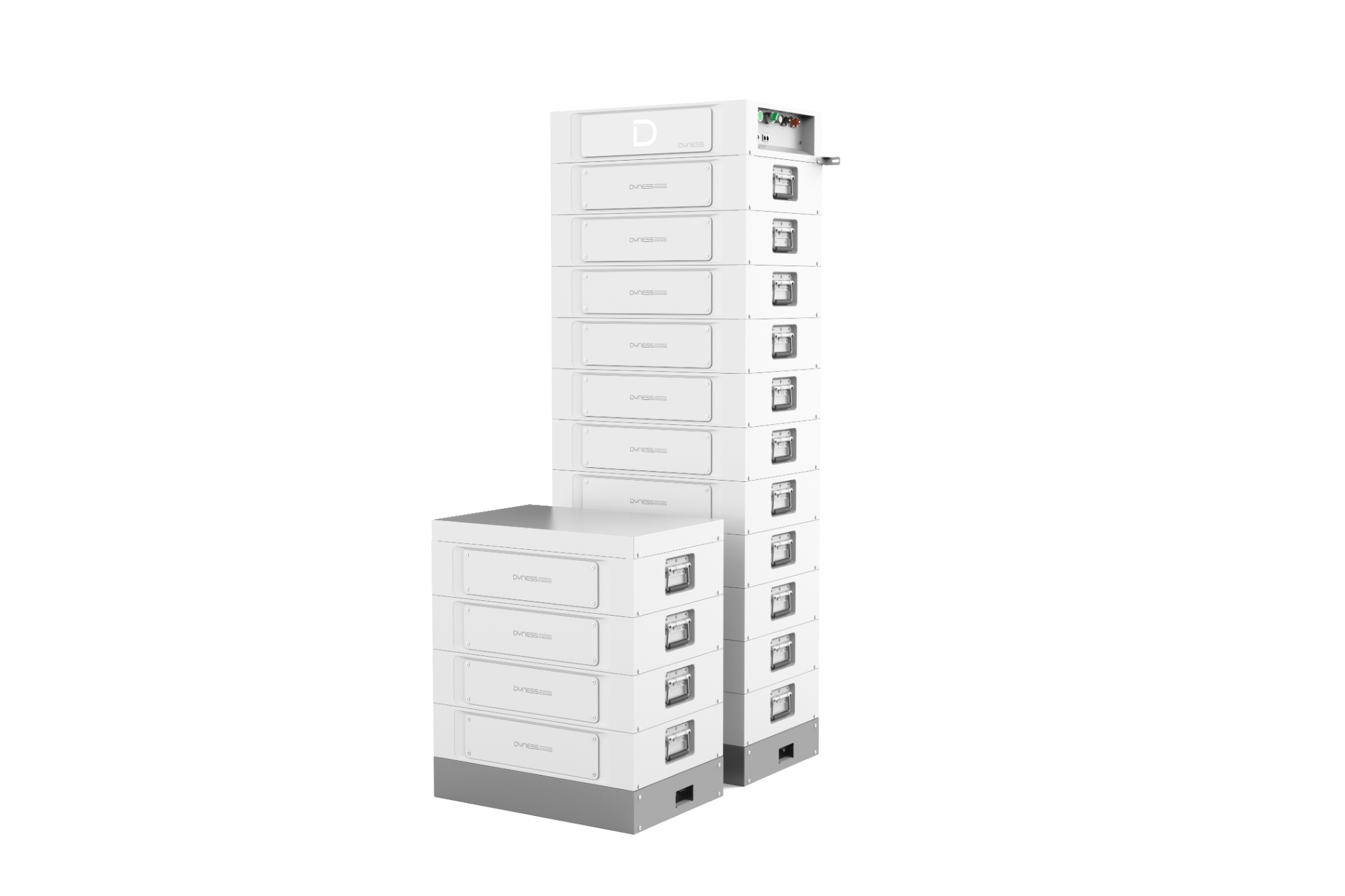
• Product Name: Dyness STACK100
  • Type: Modular energy storage system, stackable design (stackable / modular)
  • Application: Residential and small commercial & industrial (C&I)
  • Battery Technology: LiFePO₄ (Lithium Iron Phosphate) — ensures longer lifespan and higher safety compared to some other battery types

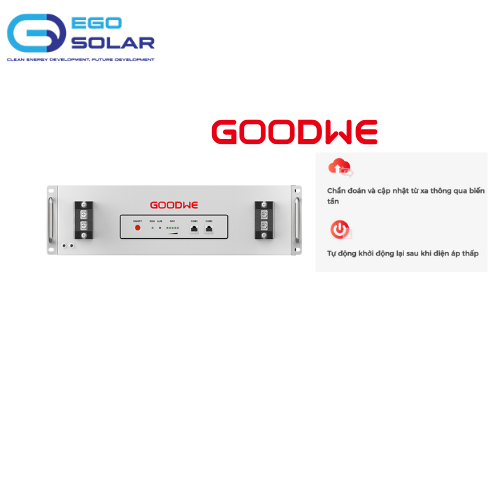
Leveraging the reliability of lithium iron phosphate (LFP) battery cell technology to ensure safety and long lifespan, the GoodWe Lynx A Low Voltage Series is designed to meet residential requirements. With a focus on maximizing self-consumption and providing reliable solar backup power, the system ensures a seamless energy experience for homeowners. Moreover, the battery features high energy density, enabling efficient storage of significant energy within limited space.

SMART HYBRID INVERTER

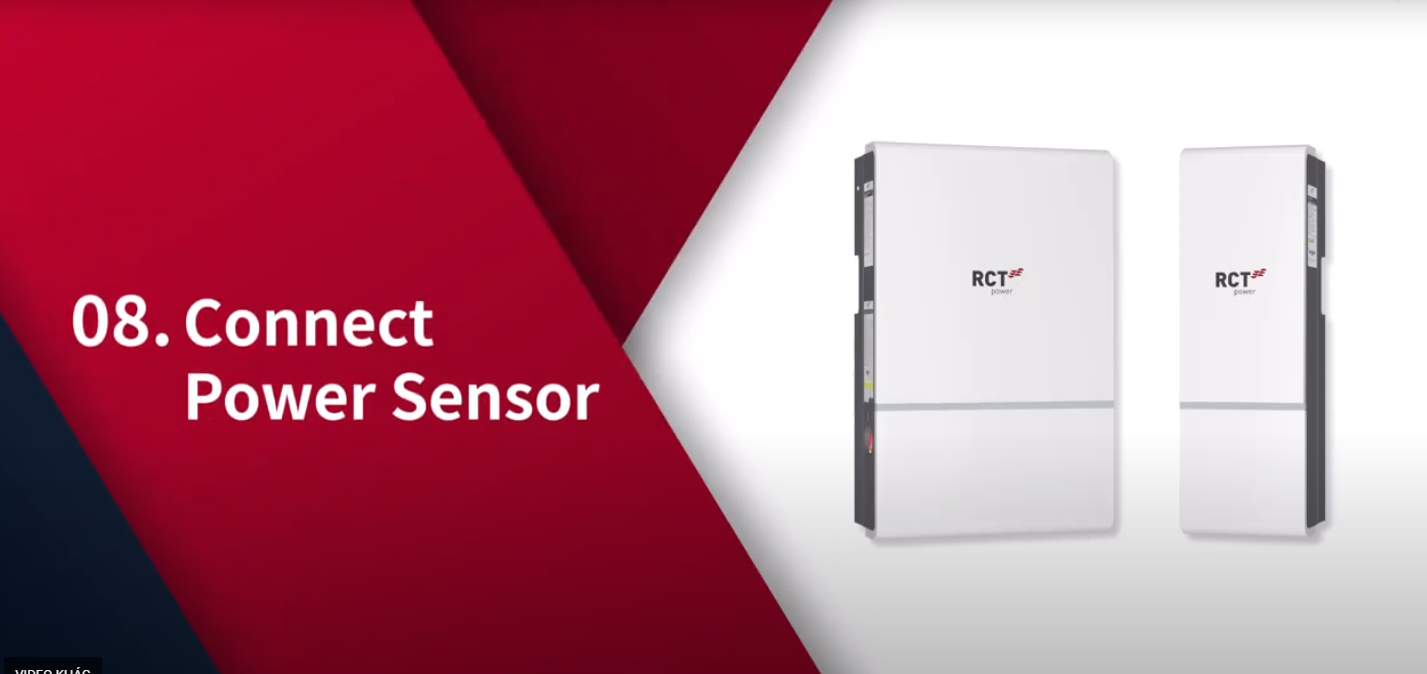
Compatible with any solar module, the RCT Power Storage DC US 8.0 PRO provides you with your own clean energy and efficiently charges the RCT Power Battery. The integrated RCT Power Switch ensures the operation of the photovoltaic system and battery storage during power outages. It can keep selected appliances running for several days. The modular design allows easy integration into building environments. A multicolor LED light path displays system status indicators.

Guide to Connecting the GOODWE GW-ES-G2 Inverter with a Generator

Renewable energy sources are expected to meet nearly half of global electricity demand by 2030, according to the International Energy Agency (IEA). The world is projected to add more than 5,500 gigawatts (GW) of renewable power capacity by the end of this decade—almost three times the growth recorded during the 2017–2023 period—according to the newly released “Renewables 2024 Report” by the IEA. This increase is equivalent to the current total electricity capacity of China, the European Union, India, and the United States combined. Fatih Birol, Executive Director of the IEA, stated that renewable energy is growing even faster than the targets set by some countries. “This is not only due to efforts to reduce emissions or strengthen energy security, but…