Tiếng Việt
 中文 (中国)
Rooftop Solar Power – An Inevitable Trend in the Green Era
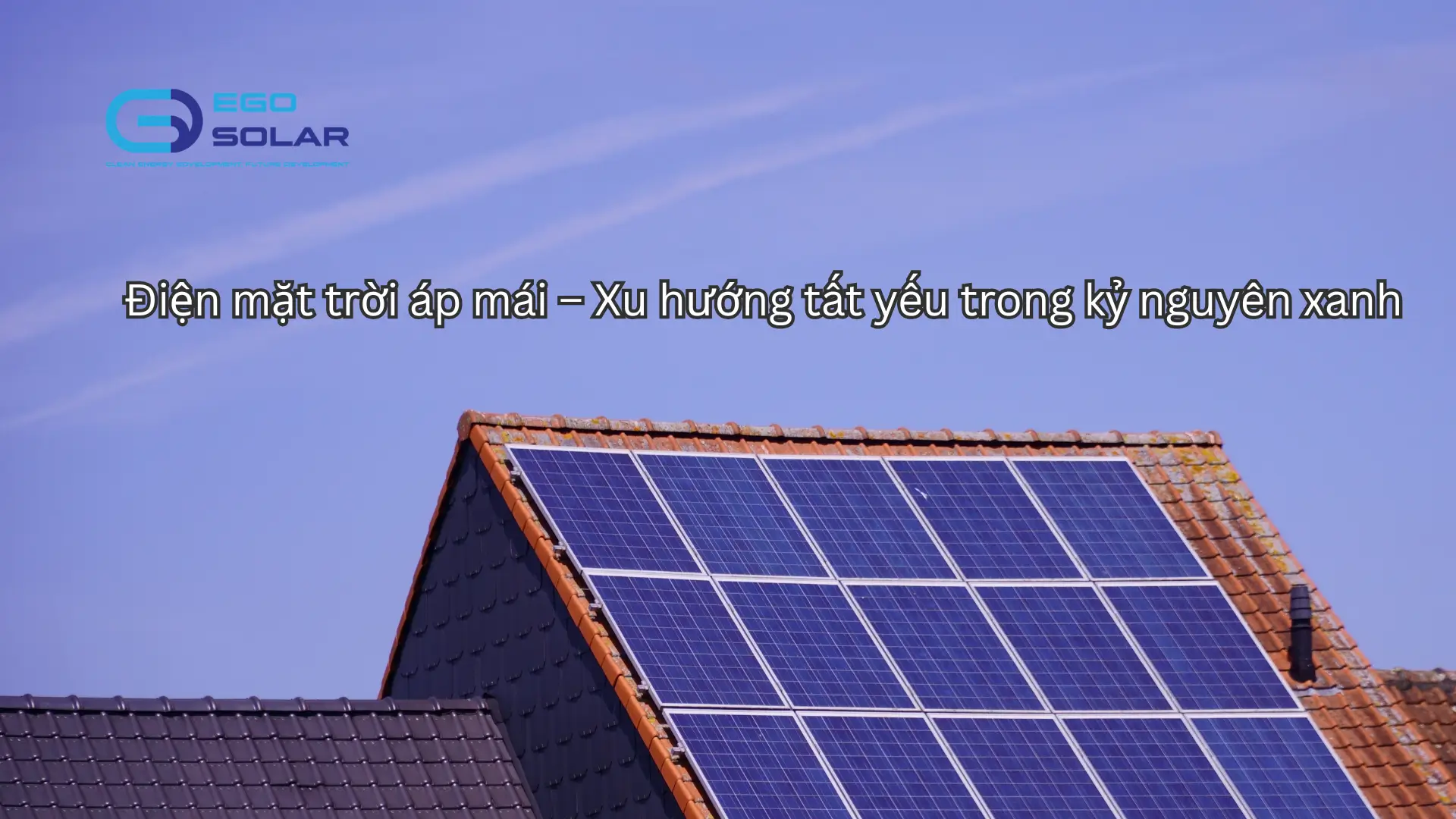
A roof is not only meant to provide shelter from the sun and rain; it can also generate energy for everyday life. Rooftop solar power opens a new era where every household and business can proactively access clean, cost-effective, and environmentally friendly electricity. With rooftop solar energy systems, people are gradually moving closer to a greener future – where energy comes directly from the natural resources around us.
Rooftop Solar Power: Definition, Structure, and Operating Principles
Definition
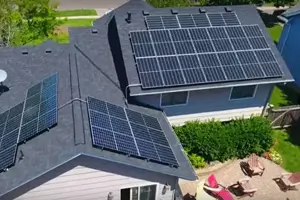
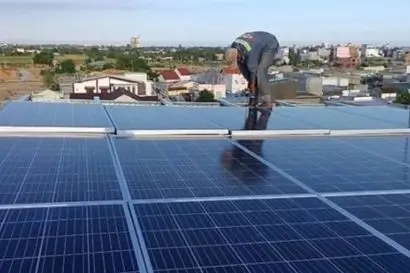
Rooftop solar power refers to systems where solar panels are installed on rooftops, metal roofs, or concrete roofs to convert sunlight into electricity for residential or industrial use. It is currently one of the most popular solar energy solutions, highly appreciated for its ability to utilize unused roof space, reduce electricity costs, and remain environmentally friendly.
This system is suitable for households, businesses, factories, or commercial buildings, delivering significant electricity savings without requiring changes to the existing building structure.
System Components and Operating Principles
A complete rooftop solar system typically includes the following main components:
| Component | Function |
| Solar Panels | Absorb sunlight and convert it into direct current (DC) electricity. |
| Grid-tied or Hybrid Inverter | Converts DC electricity into alternating current (AC) for use by household or industrial electrical devices. |
| Mounting Structure | Secures solar panels to the roof and provides the optimal tilt angle to maximize sunlight absorption. |
| Electrical cabinet, cables, and protection system | Ensures safe power transmission, system connection, and surge protection. |
| Bi-directional meter (for grid-tied systems) | Records electricity consumption and surplus electricity exported to the grid. |
Operating Principle:
When sunlight hits the solar panels, energy is converted into direct current electricity. The inverter then converts this electricity into alternating current (AC) – the type used by homes and businesses. Solar power will first supply electricity to local loads, and any surplus electricity (if available) will be fed back into the national grid through the bi-directional meter.
Outstanding Benefits of Rooftop Solar Power
Installing rooftop solar power systems not only reduces electricity costs but also provides many long-term economic and environmental benefits.
Electricity Cost Savings
A rooftop solar energy system can reduce monthly electricity bills by **60–80%**, depending on system size and energy consumption. With an average lifespan of **25–30 years**, this is a stable and sustainable investment.
Energy savings from rooftop solar installation
Efficient Use of Roof Space
Installing solar panels on rooftops optimizes unused building space while generating electricity. In addition, solar panels reduce roof heat absorption, helping keep indoor spaces cooler and reducing air conditioning costs.
Environmentally Friendly
Rooftop solar energy reduces **CO₂ emissions**, contributing to climate change mitigation and supporting Vietnam’s sustainable development goals.
Increased Property Value
Buildings equipped with rooftop solar systems often have higher usage value and improved aesthetics, especially within the trend of **smart homes and green buildings**.
Fast Return on Investment – Long-Term Use
The average payback period is only **2–3 years**, after which users can enjoy nearly free electricity for the next **20 years or more**.
Common Configurations of Rooftop Solar Systems
Depending on energy demand and roof type, rooftop solar systems are available in different configurations:
Grid-Tied Rooftop Solar System
The most common system, suitable for households and businesses with stable grid electricity. Excess electricity can be fed back into the EVN grid.
Hybrid Solar System (Grid-tied with Storage)
Combines battery storage with grid connection, ensuring electricity supply even during power outages.
Off-Grid Solar System
Operates entirely on solar panels and battery storage, suitable for remote areas without grid access.
Additionally, rooftop solar systems can be installed on various roof types such as metal roofs, tile roofs, concrete roofs, or factory roofs, depending on building design.
Real Applications: Rooftop Solar Installation for Homes and Businesses
For Households
Rooftop solar systems significantly reduce household electricity costs, especially during peak hours. In addition, solar panels help reduce heat absorption on the roof, making homes cooler and more comfortable during summer.
For Businesses and Factories
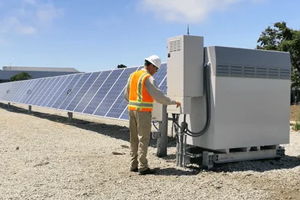
Since most production activities occur during the daytime—when sunlight is available—installing rooftop solar systems helps optimize electricity usage, reduce grid dependency, and lower operating costs.
At the same time, it is also an important step for businesses to achieve **ESG certification**, enhance brand reputation, and meet international partners’ sustainability requirements.
Conclusion: Choosing Rooftop Solar – A Green Step Toward the Future
Choosing green energy for the future
Rooftop solar power is not only a cost-saving solution but also a social transformation toward clean and sustainable energy. Whether for households or businesses, investing in rooftop solar systems means investing in the future—saving today and benefiting for decades.
Join **Ego Solar** on the journey toward greener energy sources, creating **green roofs – green living – and a green future.**